
Groceries on a Budget: Cut Your Food Bill by 30 Percent
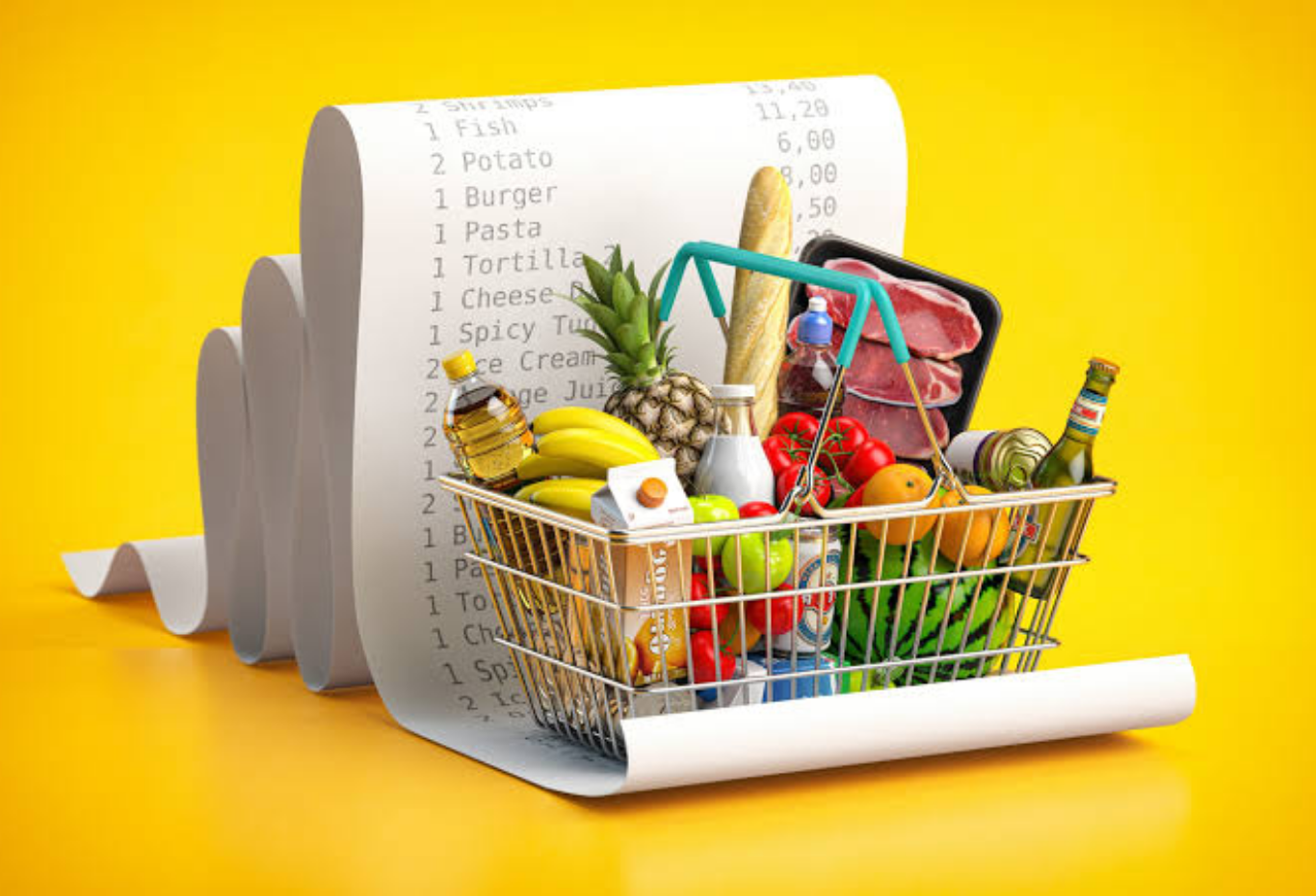
Grocery shopping is one of those expenses that can quietly take a large portion of your monthly budget. Food prices change frequently, and it is easy to spend more than planned when shopping without a list. Snacks, convenience foods, impulse purchases, and unnecessary trips to the store can make your grocery bill even higher.
The good news is that you do not have to sacrifice good food to spend less. With a few practical changes, you can make your grocery budget go further and potentially reduce your food spending by around 30 percent.
The exact savings will depend on your current habits, household size, location, and food choices. However, strategies such as meal planning, comparing prices, buying seasonal foods, reducing food waste, and using leftovers can make a noticeable difference.
Here are practical ways to make groceries on a budget easier to manage.
1. Start With a Weekly Grocery Budget
The first step to lowering your food bill is knowing how much you can realistically spend.
Set a weekly or monthly grocery budget based on your household size and income. Then divide your available amount into smaller weekly targets if that makes tracking easier.
For example, if your monthly food budget is $400, you could aim for approximately $100 per week.
Your budget does not need to be perfect from the beginning. Track your spending for several weeks and adjust it based on your actual needs.
A specific spending limit makes it easier to recognize when your grocery cart is getting too expensive.
2. Plan Your Meals Before Shopping
Meal planning is one of the most effective ways to save money on groceries.
Before going to the store, decide what you are going to eat for the next several days.
Look at your schedule and plan meals that use ingredients you already have.
For example, if you have vegetables, rice, and chicken at home, you might plan a stir-fry or rice bowl instead of buying completely new ingredients for another recipe.
Meal planning reduces impulse purchases and helps ensure that the food you buy actually gets used.
3. Check Your Pantry and Refrigerator First
Before creating your shopping list, inspect your kitchen.
Look for:
- Rice
- Pasta
- Canned foods
- Frozen vegetables
- Spices
- Sauces
- Eggs
- Flour
- Bread
- Meat
- Leftovers
You may discover that you already have enough ingredients for several meals.
Using existing food before purchasing more can reduce waste and prevent duplicate purchases.
A simple "use what you have" meal once or twice a week can make a surprisingly large difference over time.
4. Make a Grocery List and Stick to It
Walking into a supermarket without a list can make overspending almost inevitable.
Write down everything you actually need before shopping.
Organize the list by category, such as:
- Produce
- Meat and seafood
- Dairy
- Grains
- Frozen foods
- Pantry items
- Household products
Once you are in the store, try to avoid adding unnecessary products simply because they look appealing.
A grocery list creates a boundary between planned purchases and impulse purchases.
5. Compare Unit Prices
A large package is not always cheaper than a smaller one.
Instead of comparing only the total package price, look at the unit price.
For example, compare the cost per:
- Ounce
- Pound
- Liter
- Kilogram
- Individual item
Unit pricing makes it easier to determine which product actually provides the best value.
This is particularly useful when comparing different brands or package sizes.
6. Choose Store Brands When Appropriate
Store-brand products can often cost less than national brands.
For everyday staples such as:
- Rice
- Flour
- Pasta
- Canned vegetables
- Beans
- Spices
- Paper products
- Basic dairy products
the cheaper option may provide perfectly acceptable quality.
You do not have to replace every branded product. Instead, compare ingredients, quality, and price and decide where a store brand makes sense.
Replacing just a few frequently purchased products can gradually reduce your overall grocery spending.
7. Buy Seasonal Produce
Fresh fruits and vegetables can become expensive when they are out of season.
Seasonal produce is often more affordable because it is more readily available.
Instead of planning meals around a specific fruit or vegetable every week, check what is reasonably priced and build your meals around those ingredients.
Frozen vegetables and fruits can also be useful alternatives. They can last longer and reduce food waste when you cannot consume fresh produce quickly.
8. Buy in Bulk—But Only When It Makes Sense
Bulk purchasing can reduce the cost per unit, but it is not always economical.
Buying a large package makes sense when:
- You use the product frequently.
- It has a long shelf life.
- Your household has enough storage.
- The unit price is genuinely lower.
Buying a huge quantity of food that eventually expires is not a saving.
For perishable products, purchase quantities that your household can realistically consume.
9. Reduce Meat Costs
Meat can represent a significant portion of a grocery budget.
You do not necessarily need to eliminate meat completely to reduce costs.
Consider using smaller portions and combining meat with affordable ingredients such as:
- Beans
- Lentils
- Rice
- Pasta
- Potatoes
- Vegetables
- Eggs
You can also compare different cuts and choose options that work well with slow cooking, soups, stews, and casseroles.
Replacing just a few expensive meat-based meals each week with affordable protein sources can lower your food costs.
10. Cook More Meals at Home
Convenience foods and restaurant meals can quickly increase your monthly food spending.
Cooking at home generally gives you more control over ingredients, portions, and cost.
You can prepare large batches of meals such as:
- Soups
- Chili
- Pasta
- Rice dishes
- Casseroles
- Curries
- Stews
Divide the food into portions and save the extras for later.
This approach can reduce the temptation to order takeout when you do not feel like cooking.
11. Use Leftovers Strategically
Food waste is essentially money thrown away.
Instead of letting leftovers sit in the refrigerator until they are forgotten, plan how you will use them.
For example:
Monday: Roast chicken with vegetables.
Tuesday: Chicken sandwiches or wraps.
Wednesday: Chicken and rice soup.
One ingredient can become several different meals.
This strategy makes your grocery purchases more productive and can significantly reduce the amount of food you throw away.
12. Use Coupons and Store Promotions Carefully
Coupons, loyalty programs, and store promotions can reduce grocery costs.
However, discounts only save money when you actually need the product.
Do not purchase something simply because it is advertised as "50% off."
Before using a coupon, ask:
Would I buy this product at its normal price?
If the answer is no, the coupon may simply encourage unnecessary spending.
Use discounts for products that already fit your grocery list.
13. Avoid Shopping While Hungry
Shopping when you are hungry can encourage impulse purchases.
You may suddenly want snacks, desserts, prepared foods, or other items that were not included in your budget.
If possible, eat something before grocery shopping.
It sounds simple, but reducing impulse purchases can make it easier to stick to your list.
14. Limit Convenience Foods
Pre-cut vegetables, individually packaged snacks, ready-made meals, and other convenience products can save time, but they often cost more.
Whenever practical, consider preparing basic foods yourself.
For example, purchasing whole vegetables and cutting them at home may be cheaper than buying pre-cut versions.
However, convenience is not always bad. If a slightly more expensive product helps you avoid wasting food or ordering expensive takeout, it may still provide good value.
The goal is to spend intentionally.
15. Track Your Grocery Spending
You cannot effectively reduce your grocery bill if you do not know where your money is going.
Keep receipts or use a budgeting app to track your purchases.
At the end of each week, review your spending.
Look for categories that are consistently expensive.
You might discover that snacks, drinks, prepared foods, or impulse purchases account for a larger percentage of your budget than expected.
Once you identify the problem areas, you can make targeted changes.
Example of a 30 Percent Grocery Savings Strategy
Suppose your household currently spends $600 per month on groceries.
A 30% reduction would mean:
$600 × 30% = $180
Your new target would be approximately:
$600 − $180 = $420 per month
You could work toward that goal through several smaller savings:
- $50 from meal planning
- $30 from reducing food waste
- $30 from choosing lower-cost alternatives
- $25 from fewer impulse purchases
- $25 from comparing unit prices
- $20 from using promotions strategically
These numbers are only an example. Your actual savings will vary, but the principle is important: small changes can combine into significant savings.
A Simple Budget Grocery Shopping Routine
Try this process before every major grocery trip:
Step 1: Check your refrigerator, freezer, and pantry.
Step 2: Plan several meals around what you already have.
Step 3: Create a shopping list.
Step 4: Compare prices and unit costs.
Step 5: Look for legitimate discounts on items you already need.
Step 6: Avoid unnecessary impulse purchases.
Step 7: Store food properly when you get home.
Step 8: Plan meals around leftovers.
This routine can make cheap grocery shopping more organized and less stressful.
Final Thoughts
Eating well does not have to mean spending a large amount of money. With thoughtful planning and smarter shopping habits, you can significantly reduce your food expenses while still enjoying satisfying meals.
The best way to manage groceries on a budget is to focus on several small improvements rather than searching for one dramatic solution. Plan meals, shop with a list, compare unit prices, choose affordable alternatives, use seasonal produce, reduce food waste, and make better use of leftovers.
A 30 percent reduction may not be realistic for every household, especially if your current grocery spending is already very low. But even a 10 or 15 percent reduction can translate into meaningful savings over a year.
The most important rule is simple: buy what you need, use what you buy, and make every grocery dollar count.