Fashions Article Logo
Shopping Tips

How to Avoid Fake Online Coupon Codes

Admin
Sep 01, 2026
8 min read
3,111 views
How to Avoid Fake Online Coupon Codes

Entering a promo code only to se

Online coupon codes can be a great way to save money. A quick search for a discount code before checking out may reduce the price of clothing, electronics, food, travel, software, and other products. However, not every coupon code found online is legitimate.

Some websites publish expired or misleading codes, while others use fake discount offers to attract visitors, collect personal information, or redirect shoppers to suspicious websites. In some cases, a supposed coupon may even lead to malware or a fraudulent payment page.

Knowing how to avoid fake online coupon codes can help you protect your money, personal information, and devices while still taking advantage of legitimate discounts.

The good news is that spotting suspicious coupon offers doesn't have to be difficult. With a few simple habits, you can become much better at identifying trustworthy deals.

What Are Fake Online Coupon Codes?

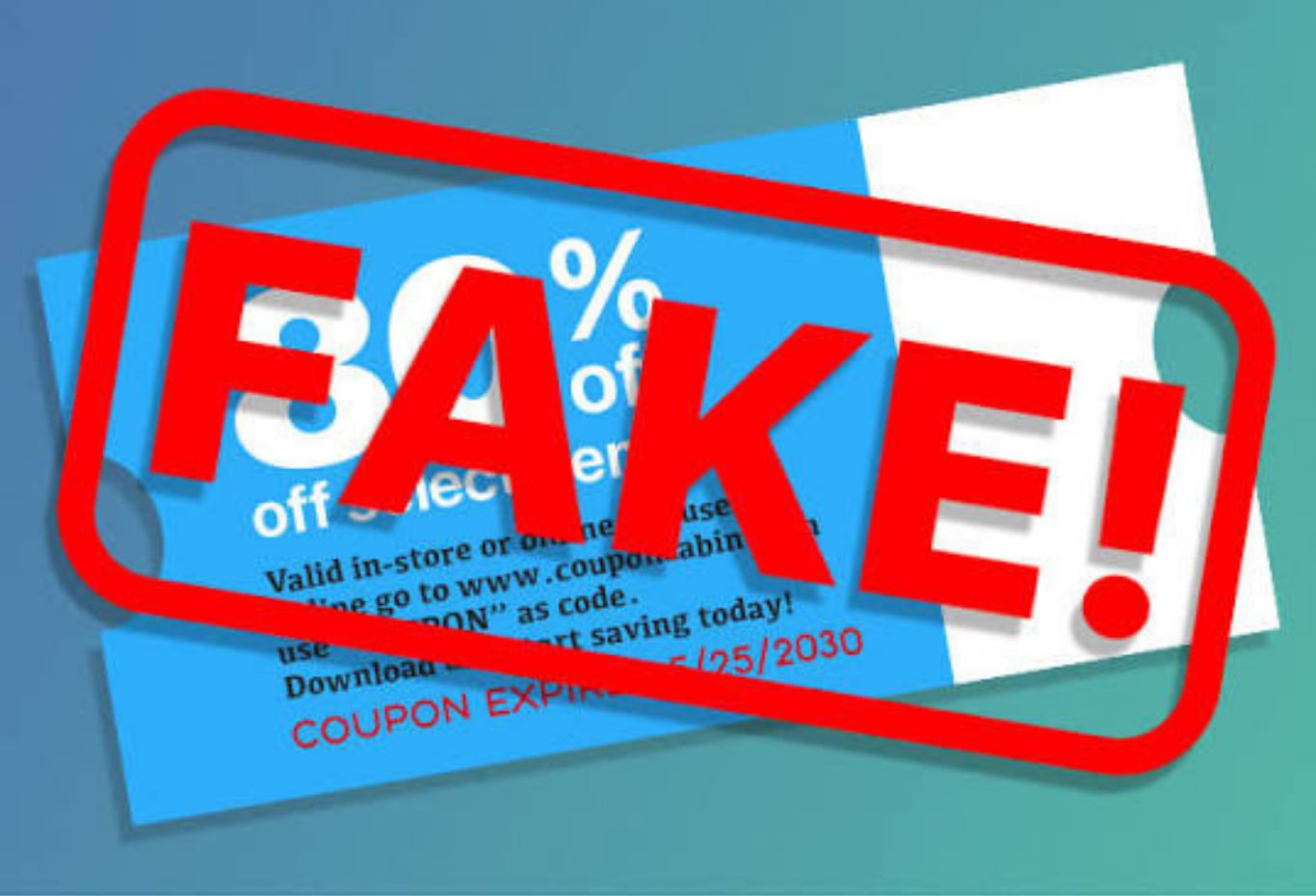
A fake online coupon code is a discount code or promotional offer that does not provide the savings it claims to offer or is used to mislead shoppers.

For example, a website might advertise a “90% off” coupon for a popular retailer, but the code may not work at checkout. Another offer may require you to provide unnecessary personal information before revealing the supposed discount.

Fake coupons can appear in several places, including:

  • Unofficial coupon websites
  • Social media posts
  • Online advertisements
  • Email messages
  • Text messages
  • Search engine results
  • Online forums
  • Pop-up advertisements

Not every expired coupon is necessarily a scam. Some coupon websites simply fail to remove old promotions. The important distinction is whether the offer is merely outdated or intentionally deceptive.

1. Start With the Retailer's Official Website

One of the safest ways to find legitimate discount codes is to check the retailer's own website first.

Many companies advertise promotions directly on their homepage, sale pages, newsletters, mobile apps, or checkout pages. Some retailers also offer discounts to customers who sign up for email updates.

Before searching dozens of third-party coupon websites, check the official store for current promotions.

Look for sections such as:

  • “Deals”
  • “Offers”
  • “Promotions”
  • “Sale”
  • “Clearance”
  • “Coupons”
  • “Special Offers”

If an offer appears on the retailer's official website, you have a much better reason to trust that it is genuine.

2. Be Suspicious of Extremely Large Discounts

A huge discount may look exciting, but it should also make you cautious.

An advertisement claiming that you can get 90% or 95% off an expensive product with a simple coupon code deserves closer attention.

This doesn't mean every large discount is fake. Retailers sometimes offer major promotions during clearance events, holiday sales, or special campaigns.

However, unrealistic offers can be a common tactic for attracting clicks.

Instead of immediately entering your information, ask:

Does this discount make sense for this retailer and product?

Compare the advertised price with the retailer's official website. If the supposed coupon reduces a $1,000 product to $50 without a clear explanation, investigate before proceeding.

3. Check the Coupon's Expiration Date

One of the easiest ways to identify an unreliable coupon is to check whether it is still valid.

Coupons frequently have expiration dates. Seasonal promotions, holiday discounts, introductory offers, and limited-time sales can disappear quickly.

If a coupon page doesn't provide any information about when the promotion expires, be cautious.

Also remember that search results can contain old pages that continue appearing months or even years after a promotion ends.

A coupon being displayed online does not automatically mean it is currently valid.

4. Look at the Website Address Carefully

Before clicking a coupon link, examine the website address.

Scammers can create websites that look similar to legitimate retailers or well-known coupon platforms. A suspicious domain name, unusual spelling, or strange URL structure should make you pause.

For example, be careful if a website:

  • Uses unusual spelling of a brand name
  • Contains excessive numbers or random characters
  • Redirects you through multiple unfamiliar websites
  • Opens repeated pop-ups
  • Immediately asks for sensitive information

A professional-looking website isn't automatically trustworthy. Check the domain and make sure you're dealing with the retailer or a reputable coupon platform.

5. Never Provide Unnecessary Personal Information

A coupon should not normally require highly sensitive information just to reveal a discount code.

Be especially cautious if a supposed coupon asks for:

  • Your bank account information
  • Credit card details before checkout
  • Passwords
  • Government identification
  • Unnecessary personal details

Some legitimate websites may ask for an email address when you subscribe to promotional emails. However, you should still understand why the information is being requested.

If a “free coupon” requires far more information than expected, it's better to leave the page.

6. Be Careful With Coupon Pop-Ups and Download Requests

Some fake coupon websites use aggressive pop-ups to encourage visitors to download browser extensions, applications, or files.

A legitimate promotion generally shouldn't require you to download an unknown program just to receive a standard discount code.

Never install unfamiliar software simply because a pop-up claims it will unlock a coupon.

The same rule applies to suspicious browser extensions. Extensions can sometimes request broad permissions that give them access to browsing information.

If you don't recognize the publisher or understand why the extension is necessary, don't install it.

7. Search for the Coupon Code Before Using It

If you discover a coupon through social media, an advertisement, or an unfamiliar website, do a little additional research.

Search the coupon code along with the retailer's name and look for independent mentions.

For example, instead of trusting a random post that says “SAVE50,” search for information about whether that code is associated with the retailer.

You may discover that:

  • The code is expired
  • The code works only for new customers
  • The discount applies to selected products
  • The code has a minimum purchase requirement
  • The code was never officially issued

A few minutes of research can prevent wasted time and potential problems.

8. Understand Coupon Terms and Conditions

A legitimate coupon can still be misleading if you don't read its restrictions.

A “20% off” coupon may not apply to everything in your shopping cart. It could be limited to specific categories, require a minimum purchase, or exclude sale items.

Always check:

  • Minimum spending requirements
  • Eligible products
  • Eligible countries
  • Expiration date
  • New-customer restrictions
  • Membership requirements
  • Shipping restrictions
  • Whether the offer can be combined with another promotion

Understanding these conditions helps you distinguish between a genuine discount and an offer that simply sounds better than it actually is.

9. Watch Out for Fake Coupon Emails and Messages

Coupon scams aren't limited to websites.

You may receive an email or text claiming that a retailer has given you an exclusive discount. The message may contain a link that takes you to a fake website.

Be particularly careful with messages that create urgency, such as:

“Your coupon expires in 10 minutes!”

or

“Claim your $500 shopping voucher now!”

Urgency is often used to encourage people to act without checking the details.

Instead of clicking the link in the message, visit the retailer's official website directly and look for the promotion there.

10. Test the Code at Checkout Without Paying

If you've found a coupon code from a third-party source, you can often test it during checkout before completing your purchase.

Enter the code in the retailer's legitimate checkout system and confirm whether the discount appears.

If the code doesn't work, don't follow instructions from a suspicious website claiming that you need to download something or provide additional information to “activate” it.

A legitimate coupon should be processed through the retailer's normal checkout process.

Common Warning Signs of Fake Coupon Codes

Recognizing common red flags makes online shopping safer.

Be cautious when a coupon:

  • Promises an unrealistic discount
  • Requires sensitive personal information
  • Comes from an unfamiliar website
  • Uses excessive pop-ups
  • Forces you to download software
  • Redirects you repeatedly
  • Has no expiration or terms
  • Uses suspicious URLs
  • Creates extreme urgency
  • Claims you've won a prize you never entered for

One warning sign doesn't always prove that a coupon is fraudulent. However, several warning signs together should make you leave the website.

How to Find Legitimate Online Coupons

You don't have to avoid online coupons altogether. Instead, focus on reliable sources.

Good places to look include:

Official retailer websites: Companies frequently publish current promotions directly on their websites.

Retailer newsletters: Email subscribers may receive exclusive promotional codes.

Official mobile apps: Some stores offer app-only discounts.

Established coupon platforms: Reputable coupon websites can be useful, but always verify important offers against the retailer's own website.

Credit card and loyalty programs: Some legitimate discounts are provided through rewards programs and cardholder offers.

The goal is to verify the deal rather than simply choosing the coupon with the biggest advertised percentage.

Final Thoughts

Learning how to avoid fake online coupon codes is an important part of safe online shopping. While genuine coupons can help you save money, suspicious offers can waste your time or put your personal information at risk.

Start by checking the retailer's official website, examining coupon terms, avoiding unrealistic discounts, and carefully reviewing unfamiliar websites. Never provide sensitive information or download unknown software just because a coupon promises a large discount.

Most importantly, remember that a good deal should not require you to ignore basic online safety.

Take a few extra minutes to verify a coupon before using it. That small habit can help you enjoy genuine savings while avoiding fake coupon codes and common online shopping scams.


e Code Invalid is frustrating. Learn how deal verification engines work and how to locate active, tested store coupons...

❓ Got Questions?

Frequently
Asked
Questions

Everything you need to know about saving money with us.

Contact Support