
Home Gym vs Commercial Membership: Financial Breakdown
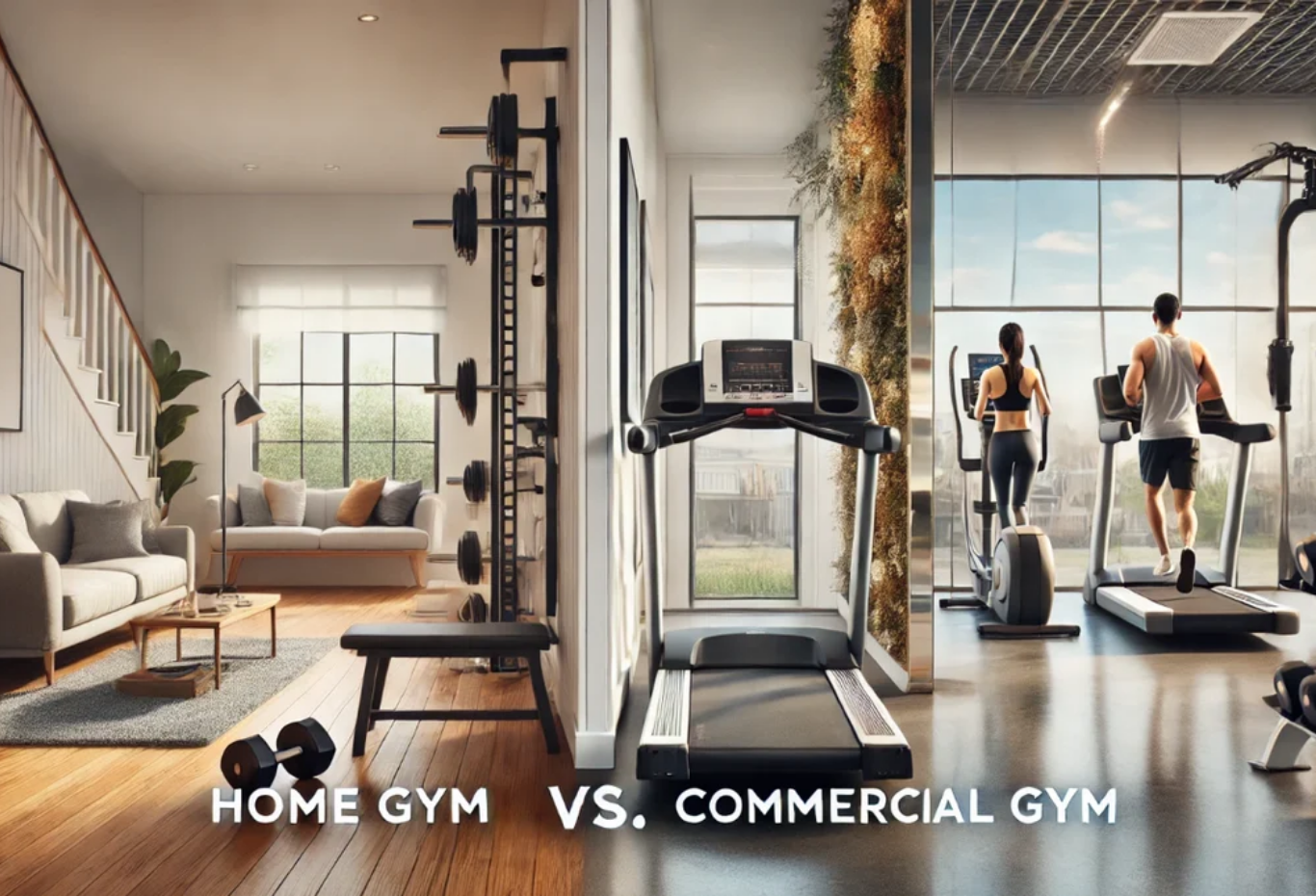
Staying active is important for physical health, energy, and overall well-being, but the cost of fitness can vary dramatically depending on how you choose to exercise. For many people, the biggest decision is whether to invest in a home gym or continue paying for a commercial gym membership.
At first glance, a gym membership may appear cheaper because you can start exercising without buying equipment. A home gym, on the other hand, requires an upfront investment in equipment and space. However, the financial picture changes when you compare costs over several years.
The best choice depends on your workout preferences, available space, equipment needs, and how consistently you exercise. This guide provides a practical financial comparison to help you determine which option may offer better value.
What Does a Home Gym Cost?
The cost of a home gym can range from very little to several thousand dollars.
You do not necessarily need a dedicated fitness room filled with expensive machines. A basic setup can start with relatively simple equipment such as:
- Resistance bands
- Exercise mat
- Adjustable dumbbells
- Kettlebell
- Jump rope
- Pull-up bar
A more advanced setup could include a weight bench, barbell, weight plates, power rack, treadmill, exercise bike, or other specialized equipment.
The advantage is that you can build your home gym gradually. Instead of purchasing everything at once, start with equipment that supports the workouts you actually perform.
What Does a Commercial Gym Membership Cost?
Commercial gym costs vary depending on the location, facility, membership level, and included services.
A basic membership may provide access to cardio equipment, strength machines, free weights, locker rooms, and group exercise areas. Premium facilities may also include pools, classes, personal training, saunas, or other amenities.
When calculating the real cost of a membership, consider more than the advertised monthly price.
Additional expenses can include:
- Enrollment fees
- Annual maintenance fees
- Parking
- Transportation
- Personal training
- Paid classes
- Locker fees
- Cancellation fees
A membership that looks inexpensive initially may become considerably more expensive when these costs are included.
The Upfront Cost Difference
The biggest financial difference between the two options is when you pay.
With a commercial gym, expenses are usually spread over time through monthly or annual membership payments.
With a home gym, you generally pay more upfront for equipment.
For example, imagine a basic home setup costs $600.
If you use that equipment for five years, the equipment cost averages:
$600 ÷ 60 months = $10 per month
This does not mean the equipment literally costs $10 every month, but it illustrates how an upfront investment can become relatively inexpensive when spread across many years of use.
Home Gym vs Gym Membership: Long-Term Costs
Consider a hypothetical commercial gym membership costing $35 per month.
Over one year:
$35 × 12 = $420
Over three years:
$35 × 36 = $1,260
Over five years:
$35 × 60 = $2,100
Now compare that with a $600 home gym.
If the equipment remains usable for five years, the initial equipment investment could be significantly lower than the hypothetical membership cost.
However, this comparison changes if you continually purchase new equipment or expensive machines for your home.
The important lesson is to compare your total long-term spending, not simply the initial price.
1. Home Gym Saves Transportation Costs
One often-overlooked advantage of exercising at home is eliminating travel expenses.
If you drive to the gym, you may spend money on:
- Fuel
- Parking
- Vehicle wear
- Public transportation
- Ride-sharing
There is also a time cost.
A 15-minute trip each way means 30 minutes of travel for every gym visit. Over several months, that can add up to many hours.
A home gym eliminates most of these costs because your workout space is already available.
2. Commercial Gyms Offer More Equipment
One of the strongest arguments for a commercial gym is equipment variety.
A good fitness facility may provide treadmills, ellipticals, exercise bikes, cable machines, squat racks, benches, free weights, and specialized machines.
Buying all of these items for your home could cost thousands of dollars and require considerable space.
If you enjoy changing your workouts frequently or need specialized equipment, a commercial gym may provide better financial value.
3. Home Gyms Have No Monthly Membership Fee
Once you have purchased your essential equipment, there is no recurring gym membership payment.
This can be particularly attractive for people who plan to exercise consistently for many years.
You may still have occasional costs for equipment maintenance or replacement, but these are generally different from a recurring membership bill.
For long-term users, this can make a home gym a useful fitness investment.
4. Commercial Gyms Provide Motivation and Community
Financial decisions are not always about dollars.
Some people are more motivated when they exercise around other people. Commercial gyms can provide a social environment that encourages consistency.
Many facilities also offer group classes, trainers, workout communities, and structured programs.
If paying for a gym membership helps you exercise more regularly, that membership may provide more value than a home gym that sits unused.
A $500 home gym is not a bargain if you rarely use it.
5. Home Gym Equipment Can Be Purchased Used
You can reduce the initial cost of a home gym by purchasing quality used equipment.
Dumbbells, benches, weight plates, racks, and certain cardio machines may be available through reputable second-hand sellers.
Before purchasing used equipment, inspect it carefully for damage, excessive wear, missing parts, or safety issues.
For equipment that supports significant weight, structural condition is particularly important.
Buying used can make affordable home gym equipment much more accessible.
6. Commercial Gyms Can Have Hidden Costs
A gym membership may appear straightforward, but read the agreement carefully before signing.
Look for:
- Initiation fees
- Annual fees
- Contract requirements
- Automatic renewal
- Cancellation policies
- Personal training costs
- Premium class fees
Understanding these terms can prevent unexpected expenses.
If a gym offers a very low introductory rate, check what the membership costs after the promotional period ends.
7. Consider Your Workout Goals
Your fitness goals should determine which option makes financial sense.
If you primarily perform bodyweight exercises, basic strength training, stretching, or home cardio, a relatively inexpensive home setup may be enough.
If you need specialized equipment, heavy free weights, swimming facilities, or group classes, a commercial gym may be more practical.
Do not spend money on equipment you will not use.
8. Think About Space Requirements
A home gym requires physical space.
A yoga mat and resistance bands can fit almost anywhere, but a power rack, treadmill, or large weight set requires considerably more room.
You should also consider flooring, ventilation, storage, noise, and safety.
If setting up a home gym requires major renovations, the financial advantage may disappear.
For people living in small apartments, a commercial gym may offer better value simply because it provides access to equipment without requiring additional space at home.
9. Calculate Cost Per Workout
One useful way to compare fitness options is to calculate your cost per workout.
Suppose a gym membership costs $40 per month and you visit 16 times.
$40 ÷ 16 = $2.50 per workout
If you only visit four times:
$40 ÷ 4 = $10 per workout
This demonstrates why consistency matters.
For a home gym, the cost per workout generally decreases as you use the equipment more frequently and over a longer period.
The cheapest option on paper may not be the cheapest option for your actual habits.
10. Consider a Hybrid Approach
You do not necessarily have to choose one option exclusively.
A hybrid approach can provide flexibility.
For example, you could purchase basic home equipment for regular workouts while occasionally using a commercial gym for specialized equipment.
Another option is to exercise at home during the week and use a gym on weekends.
This approach can reduce your overall membership costs while giving you access to equipment you cannot reasonably own.
Home Gym vs Commercial Gym: Quick Comparison
| Factor | Home Gym | Commercial Gym |
|---|---|---|
| Upfront cost | Moderate to high | Usually low |
| Recurring fee | Usually none | Usually monthly/annual |
| Equipment variety | Depends on budget | Usually extensive |
| Travel cost | Very low | Possible |
| Space required | Yes | None at home |
| Community | Limited | Often available |
| Privacy | High | Lower |
| Long-term cost | Potentially lower | Recurring |
| Specialized equipment | Expensive to add | Usually included |
| Convenience | Very high | Depends on location |
How to Choose the More Affordable Option
Ask yourself five questions before deciding:
How often will I exercise?
If you work out consistently, a home gym may provide better long-term value.
What equipment do I actually need?
If your routine requires only basic equipment, you can build a home gym inexpensively.
Do I need specialized facilities?
If you use swimming pools, group classes, or specialized machines, a commercial gym may be worth the cost.
How much space do I have?
Limited space may make a commercial membership more practical.
What motivates me to exercise?
If social interaction and professional guidance keep you consistent, a gym membership may provide greater value.
Final Thoughts
The home gym vs commercial gym membership decision is ultimately a personal financial calculation. A home gym can require a larger initial investment, but the absence of recurring membership fees and transportation costs may make it economical over the long term.
A commercial gym, meanwhile, provides access to a wide range of equipment, facilities, classes, and social opportunities without requiring you to purchase or store everything yourself.
If you exercise consistently and can start with affordable equipment, a home gym may offer excellent long-term savings. If you need specialized equipment, enjoy group fitness, or rely on the gym environment for motivation, a commercial membership may be worth the recurring expense.
The smartest choice is not necessarily the option with the lowest advertised price. It is the fitness option you can afford, enjoy, and consistently use.