
Skincare on a Budget: Active Ingredients Without Markup
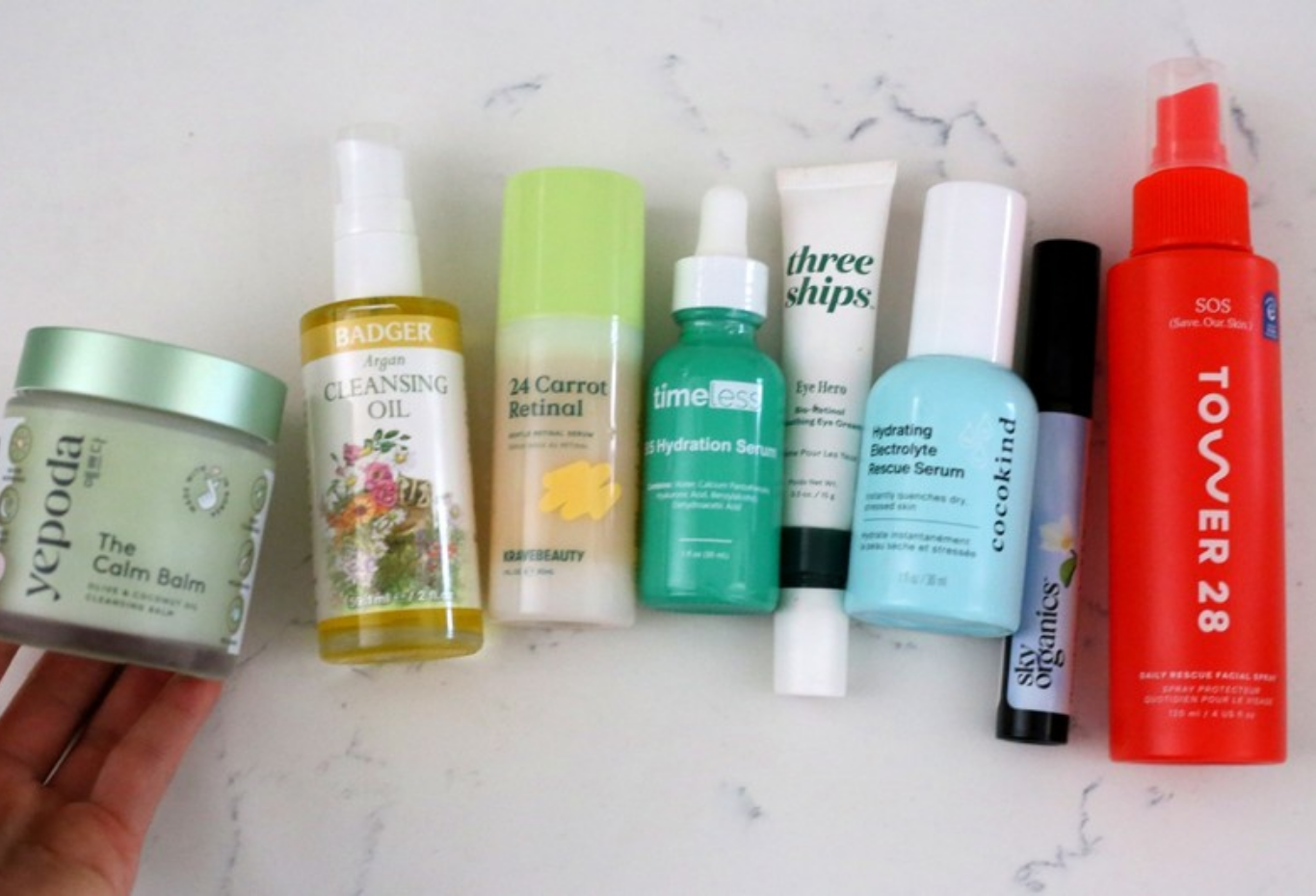
A good skincare routine does not have to cost a fortune. Many people assume that effective skincare requires expensive serums, luxury creams, and high-end brands. In reality, the ingredients responsible for many skincare benefits are available in affordable products from drugstore and budget-friendly brands.
The key to skincare on a budget is learning to shop for ingredients rather than impressive packaging or luxury branding. Instead of paying extra for a fashionable name, focus on formulas, ingredient concentrations, product quality, and what your skin actually needs.
Whether your goal is smoother-looking skin, improved hydration, fewer breakouts, or a more even appearance, you can build an effective routine without spending hundreds of dollars.
What Does “Active Ingredient” Mean?
An active ingredient is a component of a skincare product that is intended to provide a specific skin benefit.
Common examples include:
- Niacinamide
- Salicylic acid
- Azelaic acid
- Vitamin C
- Retinoids
- Hyaluronic acid
- Ceramides
- Glycolic acid
- Lactic acid
Different ingredients address different concerns. Some support hydration and the skin barrier, while others are commonly used for acne, uneven texture, or the appearance of dark spots.
Understanding these ingredients allows you to compare products based on their actual formulation instead of simply choosing the most expensive option.
1. Focus on Ingredients, Not Brand Names
One of the easiest ways to reduce skincare costs is to stop assuming that a higher price automatically means better results.
A $60 serum and a $15 serum may contain similar key ingredients, although their complete formulations, concentrations, packaging, supporting ingredients, and quality controls can differ.
When comparing products, look beyond the front of the package.
Read the ingredient list and product information. Ask yourself:
- What is the main purpose of this product?
- Does it contain the ingredient I am looking for?
- Is the formula suitable for my skin?
- Do I actually need it?
- Is there a less expensive alternative with a suitable formulation?
This ingredient-first approach can make affordable skincare much easier to find.
2. Start With a Simple Skincare Routine
You do not need ten or fifteen products to have a useful skincare routine.
For many people, a basic routine can include:
Morning: cleanser, moisturizer, and sunscreen.
Evening: cleanser, moisturizer, and one targeted treatment if needed.
Keeping your routine simple saves money and reduces the risk of irritating your skin by combining too many active products.
Before buying another serum, determine whether your current routine is already meeting your basic needs.
A simple routine that you consistently follow can be more practical than an expensive collection of products that you rarely use.
3. Look for Affordable Niacinamide Products
Niacinamide is a popular skincare ingredient because it can support the skin barrier and help improve the appearance of uneven skin tone and excess oil.
It is available in many affordable cleansers, serums, moisturizers, and other skincare products.
Because niacinamide is so widely available, there is usually little reason to pay a premium simply because a product comes from a luxury brand.
When shopping, compare the complete formulation rather than choosing a product solely because it advertises a high percentage.
More is not automatically better. A product that is well tolerated and appropriate for your skin can be a better choice than an unnecessarily strong formula.
4. Consider Salicylic Acid for Oily or Blemish-Prone Skin
Salicylic acid is a beta hydroxy acid commonly used in products designed for oily or blemish-prone skin.
It can help exfoliate the skin and clear buildup inside pores.
Affordable salicylic acid products are widely available, including cleansers and leave-on treatments.
However, using too much exfoliating acid can cause dryness or irritation. If you are new to the ingredient, start gradually and follow the product's directions.
You do not need several exfoliating products at the same time. Choosing one appropriate product can keep both your routine and your skincare budget under control.
5. Compare Vitamin C Products Carefully
Vitamin C is another popular active ingredient used in skincare products aimed at improving the appearance of uneven skin tone and supporting antioxidant protection.
Vitamin C products can vary significantly in formulation, stability, concentration, packaging, and price.
Instead of automatically buying the most expensive vitamin C serum, compare the formulation and packaging and choose a product from a reputable manufacturer.
Remember that skincare products containing vitamin C can be sensitive to storage conditions. Follow the manufacturer's instructions and pay attention to changes in appearance or smell.
6. Don't Ignore Basic Moisturizers
Some shoppers spend heavily on active serums but overlook the importance of a good moisturizer.
A moisturizer can help support the skin barrier and reduce dryness, particularly when using active ingredients.
Look for useful ingredients such as:
- Ceramides
- Glycerin
- Hyaluronic acid
- Squalane
- Panthenol
A simple moisturizer does not need an elaborate marketing campaign to be effective.
In fact, choosing an affordable moisturizer can free up more of your budget for a targeted treatment you genuinely need.
7. Make Sunscreen a Priority
If you are building a budget skincare routine, sunscreen should be one of your priorities during daytime.
Sun protection helps protect skin from ultraviolet radiation and is an important part of maintaining healthy-looking skin.
Instead of spending most of your skincare budget on multiple treatments while skipping sunscreen, allocate enough money for a sunscreen that you will actually use consistently.
The best sunscreen for you is one that provides appropriate protection and is comfortable enough that you are willing to apply it as directed.
8. Avoid Paying for Excessive Packaging and Marketing
Packaging can make a skincare product look luxurious, but attractive packaging does not necessarily make the formula more effective.
Glass bottles, elaborate boxes, premium labels, celebrity partnerships, and luxury branding can contribute to a product's price.
That does not mean expensive products are automatically bad. Some premium products may have excellent formulations and research behind them.
However, if your goal is skincare without markup, compare the formula and purpose before paying extra for presentation.
A minimalist product with a straightforward label may provide better value for your specific needs.
9. Buy Products That Perform Multiple Jobs
Another way to reduce skincare expenses is to avoid buying products with overlapping purposes.
For example, instead of purchasing separate products for every minor concern, look for products that can reasonably fit several steps of your routine.
A moisturizer may provide hydration and barrier support. A cleanser can remove sunscreen, oil, and everyday buildup. A single well-chosen treatment may address the specific concern you want to target.
However, do not force products to perform jobs they were not designed for.
The goal is a streamlined routine—not using one product for everything.
10. Introduce Active Ingredients Slowly
Buying several active ingredients at once can be expensive and may make it difficult to determine what is helping or irritating your skin.
Instead, introduce one new active product at a time.
Give your skin time to adjust and observe how it responds. Follow the product instructions, and avoid combining multiple potentially irritating treatments unless you know they are appropriate together.
This approach can actually save money because you are less likely to waste products that cause irritation or discover that you purchased ingredients you did not need.
If you have persistent or severe skin concerns, consider speaking with a qualified dermatologist rather than continually purchasing new products.
How to Find Affordable Active Ingredients
When shopping for active skincare ingredients, use a simple comparison process.
First, identify your primary skincare goal. Then find one ingredient commonly used for that concern.
Next, compare several reputable products containing that ingredient.
Look at:
Ingredient: What active ingredient does the product contain?
Formula: What other ingredients are included?
Price per amount: How much product are you getting for the price?
Packaging: Is the packaging appropriate for the formula?
Reputation: Is the manufacturer reputable?
Instructions: Can you use the product correctly and consistently?
This method is much more reliable than buying a product simply because it is trending online.
Common Budget Skincare Mistakes
Saving money does not mean buying the cheapest product available.
Avoid extremely cheap products from unknown sources where authenticity, storage, or manufacturing standards are uncertain.
You should also avoid buying large quantities simply because something is discounted. If you do not use the product before it expires, the discount is not a real saving.
Another common mistake is buying too many active ingredients. A cabinet full of acids and serums can become expensive and may make your routine unnecessarily complicated.
Finally, remember that skincare takes time. Constantly switching products because you expect overnight results can waste both money and effort.
Build Your Budget Skincare Routine
A practical budget routine might look like this:
Morning
- Gentle cleanser, if needed
- Affordable moisturizer
- Broad-spectrum sunscreen
Evening
- Cleanser
- One targeted active ingredient
- Moisturizer
You can adjust this routine according to your skin type and personal needs.
The important principle is to purchase products with a clear purpose instead of collecting products because they are popular.
Final Thoughts
Skincare on a budget is absolutely possible when you understand what you are paying for. Effective skincare is not exclusively available through luxury brands. Many affordable products contain well-known active ingredients that can fit into a simple, practical routine.
Start by identifying your main skincare concern, learn which ingredients are commonly used for it, and compare products based on their formulas rather than their branding. Prioritize essentials such as moisturizer and sunscreen, introduce active ingredients gradually, and avoid buying products you do not genuinely need.
Most importantly, remember that expensive skincare is not automatically better skincare. A consistent routine built around suitable products can provide better value than an overcrowded shelf of premium products.
With a little ingredient knowledge and smart shopping, you can create an affordable skincare routine that supports your skin without putting unnecessary pressure on your wallet.