
How to Save Money on Car Maintenance and Auto Parts
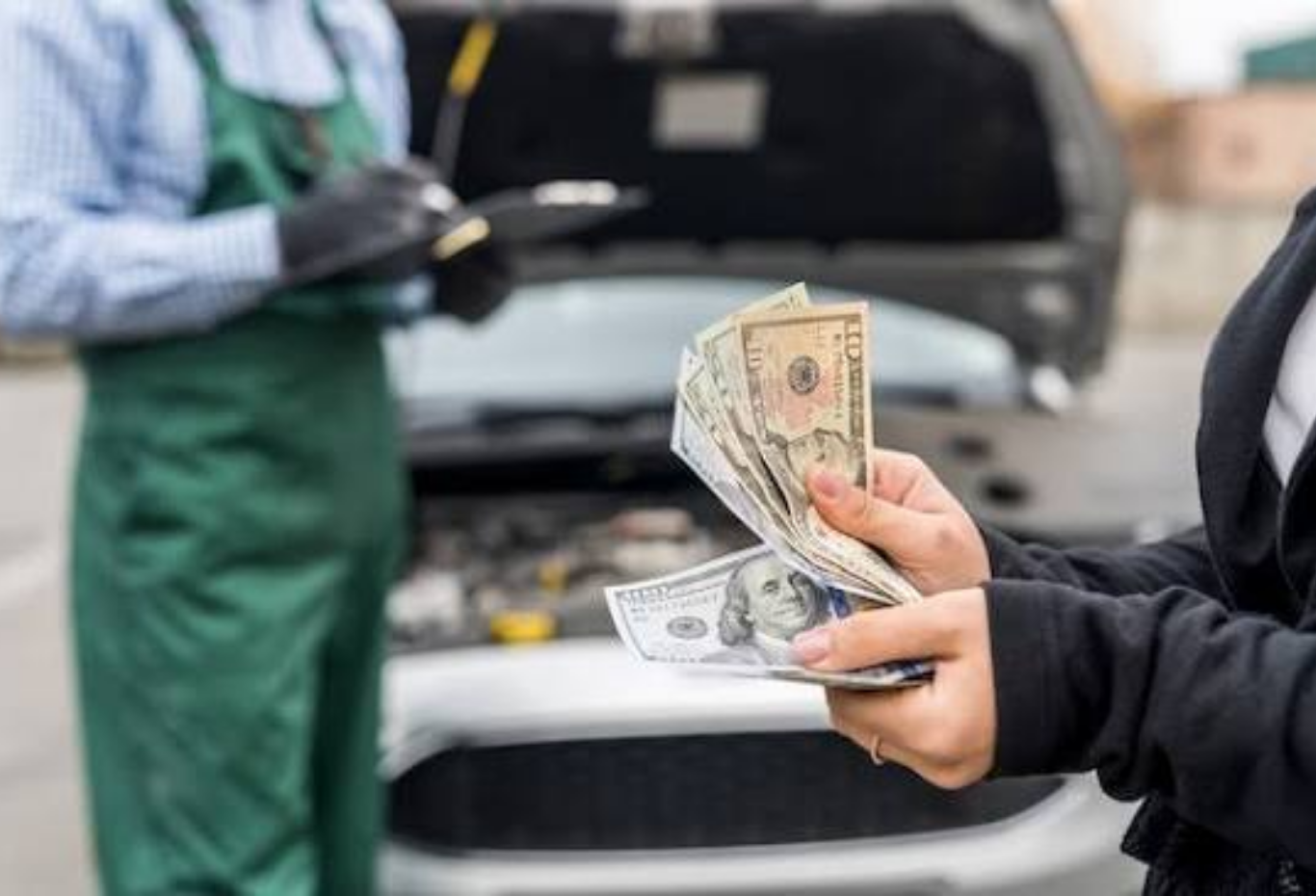
Owning a car provides convenience and freedom, but maintenance and repairs can become expensive over time. Oil changes, brake replacements, tires, filters, batteries, and unexpected repairs can quickly add up. However, keeping your vehicle in good condition does not always require spending a fortune.
The key to saving money on car maintenance is staying proactive, comparing prices, learning basic maintenance tasks, and knowing when to use affordable aftermarket or refurbished parts without compromising safety.
Whether you drive an older vehicle or a newer model, smart maintenance decisions can help reduce long-term ownership costs and prevent small problems from becoming expensive repairs.
1. Follow Your Car's Maintenance Schedule
One of the best ways to reduce car expenses is to follow the manufacturer's recommended maintenance schedule.
Your owner's manual typically provides information about when to inspect or replace important components such as:
- Engine oil
- Oil filters
- Air filters
- Cabin filters
- Spark plugs
- Brake components
- Transmission fluids
- Coolant
- Belts
- Tires
Skipping routine maintenance may seem like a way to save money in the short term, but neglected maintenance can lead to larger and more expensive problems later.
Regular maintenance is therefore an investment rather than simply another expense.
2. Learn Basic DIY Car Maintenance
You do not need to become a professional mechanic to handle some basic maintenance tasks yourself.
Depending on your vehicle and your level of experience, you may be able to handle relatively simple jobs such as replacing:
- Engine air filters
- Cabin air filters
- Windshield wipers
- Light bulbs
- Some batteries
- Certain fuses
You can often find instructions in your owner's manual or reliable automotive repair resources.
However, safety should always come first. Jobs involving brakes, steering, suspension, fuel systems, airbags, or other safety-critical components may require professional expertise.
The goal of DIY maintenance is to save money where it is safe and practical—not to take unnecessary risks.
3. Compare Auto Parts Prices
Never assume that the first price you see is the best price.
The same replacement part may be available from several sources at different prices. When looking for affordable auto parts, compare prices from reputable retailers, local parts stores, dealerships, and trusted online sellers.
When comparing prices, make sure you are comparing equivalent parts.
Check:
- Part number
- Vehicle compatibility
- Brand
- Warranty
- Return policy
- Shipping cost
- Estimated delivery time
A cheaper part is not necessarily a better deal if it has poor quality or no warranty.
4. Consider Quality Aftermarket Parts
Many car owners assume that dealership parts are always the only reliable option. In reality, there are reputable aftermarket manufacturers that produce compatible replacement components.
Aftermarket parts can sometimes cost less than original-equipment parts while still meeting appropriate specifications.
For common maintenance items such as filters, wiper blades, brake components, and certain sensors, comparing reputable aftermarket options can reduce expenses.
However, research the manufacturer and verify compatibility before buying.
For critical components, prioritize quality, proper specifications, and professional advice over simply choosing the lowest price.
5. Shop Around for Labor Costs
Parts are only one part of the repair bill. Labor can represent a significant portion of automotive repair costs.
Dealerships, independent repair shops, specialist garages, and mobile mechanics may have different labor rates.
For non-emergency repairs, get multiple estimates.
Ask each shop for an itemized quote showing:
- Parts cost
- Labor cost
- Shop fees
- Taxes
- Additional services
An unusually low estimate should also be investigated. A repair shop that uses poor-quality parts or cuts necessary procedures may cost you more in the long run.
Choose a reputable mechanic based on experience, transparency, reviews, warranty, and price.
6. Take Care of Your Tires
Tires are one of the most important components of your vehicle because they directly affect traction, handling, and braking.
Proper tire maintenance can also help you avoid unnecessary replacement costs.
Check tire pressure regularly and maintain the pressure recommended by your vehicle manufacturer. Inspect tires for unusual wear, damage, or insufficient tread.
Proper wheel alignment and tire rotation, when recommended for your vehicle, can also help promote more even tire wear.
Do not delay replacing severely worn or damaged tires simply to save money. Tire safety should always take priority.
7. Replace Filters When Necessary
Filters are relatively inexpensive compared with many other automotive components, but they play important roles in vehicle operation.
An engine air filter helps keep contaminants from entering the engine's intake system, while a cabin air filter helps filter air entering the passenger compartment.
Do not replace filters simply because someone recommends doing so at an arbitrary interval. Check your owner's manual and inspect the condition of the filter where appropriate.
Replacing a genuinely dirty filter can be a simple maintenance task that helps keep your vehicle operating properly.
8. Don't Ignore Warning Signs
One of the most expensive mistakes car owners make is ignoring small problems.
Unusual noises, warning lights, fluid leaks, vibrations, difficulty starting, unusual smells, or changes in braking performance can indicate a developing problem.
Ignoring these signs may allow a relatively minor issue to become a much more expensive repair.
For example, a strange noise that initially requires a relatively simple repair could potentially indicate a larger mechanical problem if left unresolved.
If your vehicle behaves differently from normal, have it properly inspected.
Early diagnosis can often help reduce car repair costs.
9. Buy the Right Parts the First Time
Buying the wrong part is a surprisingly common way to waste money.
Before ordering anything, verify your vehicle's:
- Year
- Make
- Model
- Engine
- Trim
- Part number
- Compatibility information
Some vehicles have multiple engine or equipment configurations, and a part that fits one version may not fit another.
When possible, use the vehicle identification number (VIN) or exact part number to confirm compatibility.
This can help prevent the frustration and expense of ordering, returning, and reinstalling incorrect parts.
10. Take Advantage of Warranties
Always check whether a repair or replacement part is covered by a warranty.
Some manufacturers and retailers provide warranties on batteries, replacement parts, or specific services. If a component fails within the warranty period, you may be entitled to a replacement or other remedy according to the warranty terms.
Keep your receipts and service records organized.
Good documentation can make it easier to prove when and where a repair was performed.
11. Maintain Your Battery
A dead battery can create unexpected expenses, especially if you need emergency roadside assistance or an urgent replacement.
Keep battery terminals clean where appropriate and pay attention to signs of a weakening battery, such as slow engine cranking or difficulty starting.
If your vehicle is going to remain unused for an extended period, follow the manufacturer's recommendations for storage and battery maintenance.
Replacing a battery before it completely fails can sometimes be more convenient and less expensive than dealing with an unexpected breakdown.
12. Keep Service Records
Maintaining a record of your car's maintenance history can help you control future expenses.
Record important information such as:
- Date of service
- Mileage
- Work performed
- Parts replaced
- Part numbers
- Cost
- Repair shop
- Next recommended service
This prevents you from paying for maintenance that has already been completed and helps you anticipate upcoming expenses.
Service records can also be useful if you eventually sell the vehicle because they demonstrate that the car has been maintained.
13. Avoid Unnecessary Repairs and Add-Ons
Not every service recommended by a repair facility is necessarily required immediately.
When a mechanic recommends additional work, ask:
Why is this necessary?
Is it urgent?
What happens if I wait?
Is it included in the manufacturer's maintenance schedule?
You can request an inspection report or written estimate and obtain a second opinion when appropriate.
This does not mean you should automatically reject professional recommendations. Instead, understanding the purpose and urgency of a repair allows you to make a more informed financial decision.
Create a Car Maintenance Budget
One of the easiest ways to avoid financial surprises is to create a dedicated vehicle maintenance fund.
Estimate your normal yearly maintenance expenses and set aside money regularly.
For example, your budget could include categories for:
- Routine maintenance
- Tires
- Battery
- Repairs
- Registration-related costs
- Emergency expenses
Older vehicles may require more frequent repairs, so consider keeping a larger emergency reserve if you own a high-mileage car.
Final Thoughts
Learning how to save money on car maintenance and auto parts is not about avoiding necessary repairs or always choosing the cheapest option. It is about making informed decisions and preventing unnecessary expenses.
Follow your vehicle's maintenance schedule, learn safe DIY tasks, compare parts and labor prices, consider reputable aftermarket components, and keep detailed service records. Most importantly, address warning signs before they develop into larger problems.
When you combine preventive maintenance with smart purchasing habits, you can significantly improve your ability to manage automotive expenses.
A well-maintained vehicle is generally easier to budget for than a neglected one. By taking care of small maintenance tasks today and researching your options before purchasing parts or services, you can keep your car reliable while making your car maintenance budget go further.